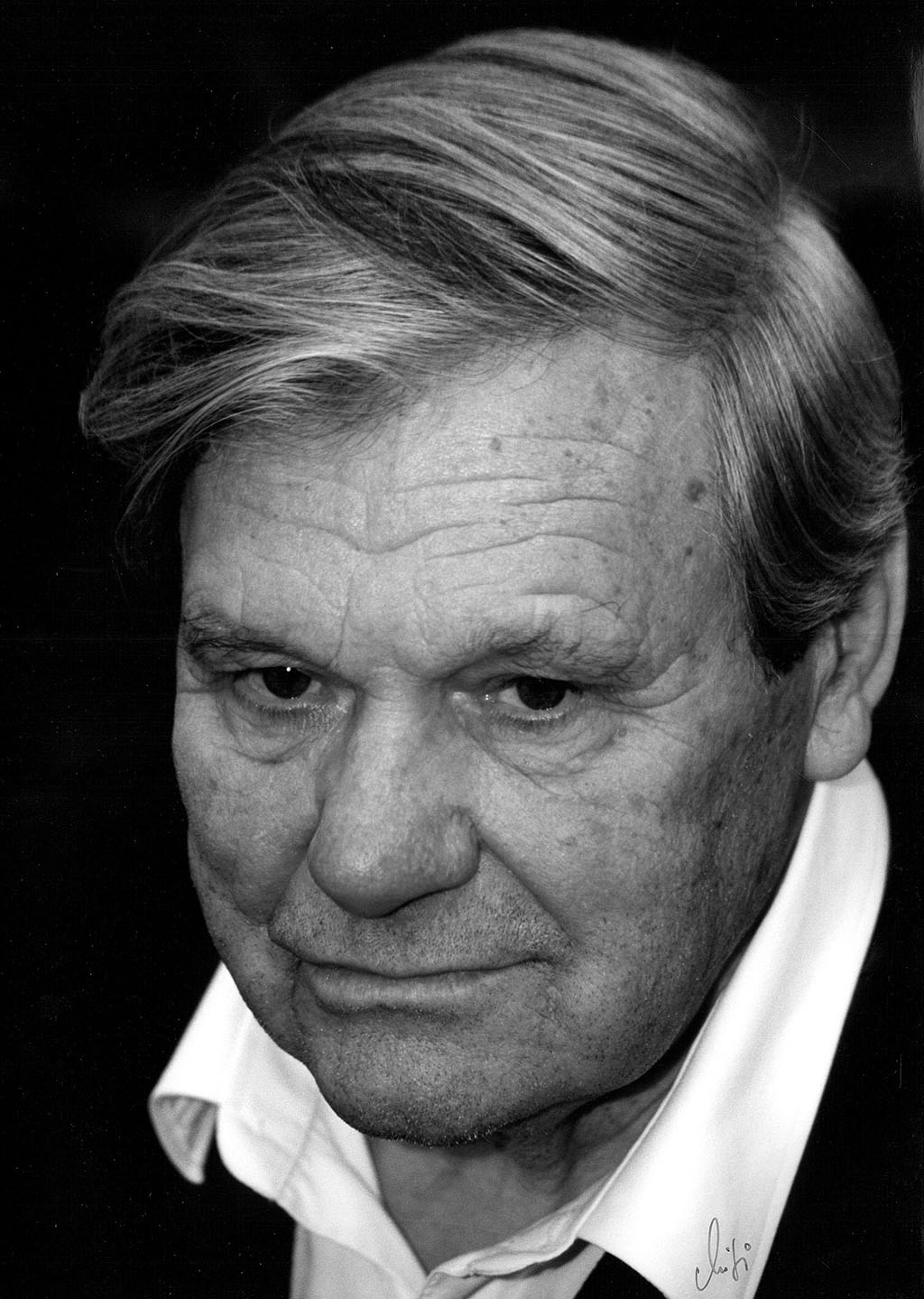
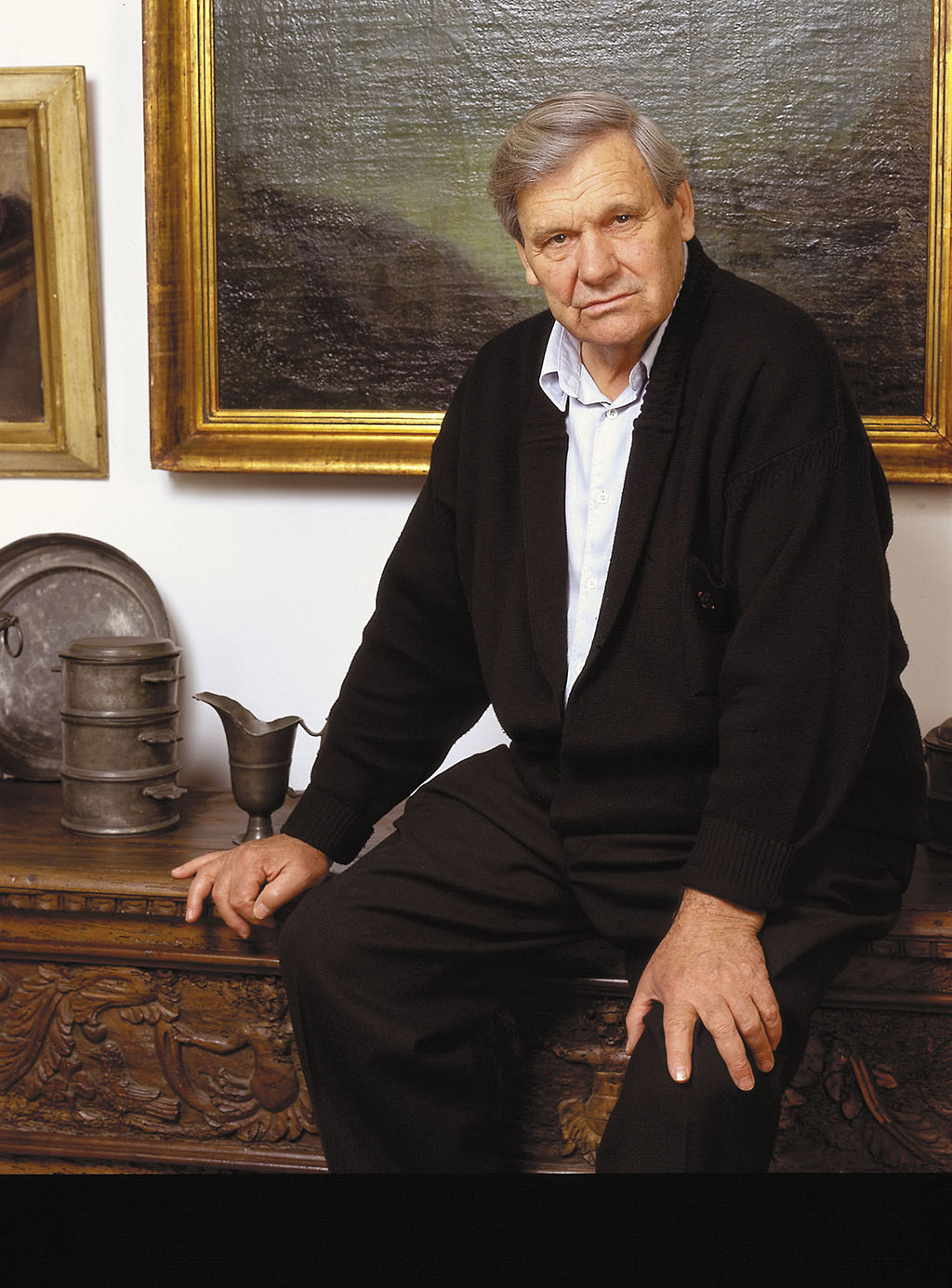
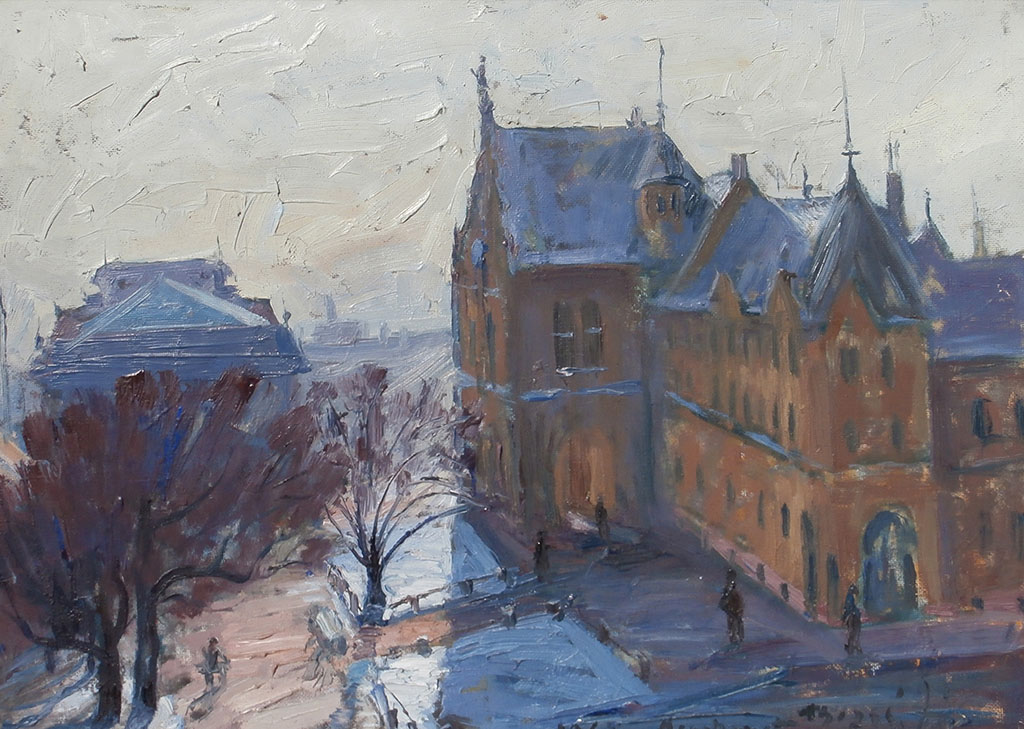
JÁNOS BOZSÓ IS A PAINTER WHO BECAME A LEGEND IN HIS LIFETIME. THE BOZSÓ COLLECTION IS THE LARGEST PRIVATE COLLECTION IN THE REGION THAT CAN BE VISITED.
János Bozsó painter, art collector, museum founder (Kecskemét, 27 December 1922 – Kecskemét, 14 December 1998)
In the late 1940s, János Bozsó began his artistic pursuit under challenging conditions, yet he managed to become an exhibiting painter within just ten years. He settled into his first authentic studio on Klapka Street in 1957, a location now known as the Bozsó Collection, which remained his creative sanctuary and the site where he developed his interest in art collecting. By transforming himself from a fatherless servant boy into a distinguished artist and museum founder, he truly determined his own fate.
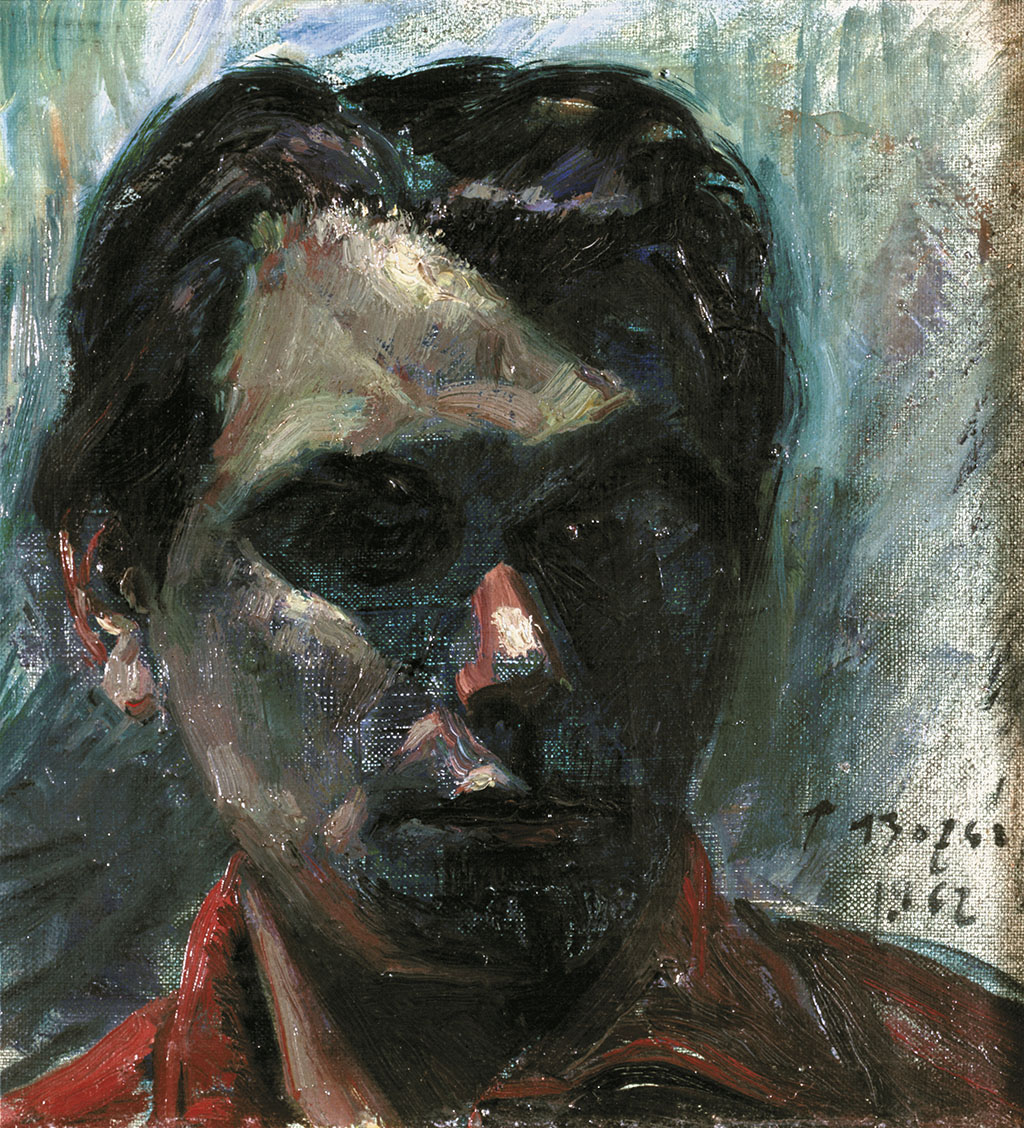
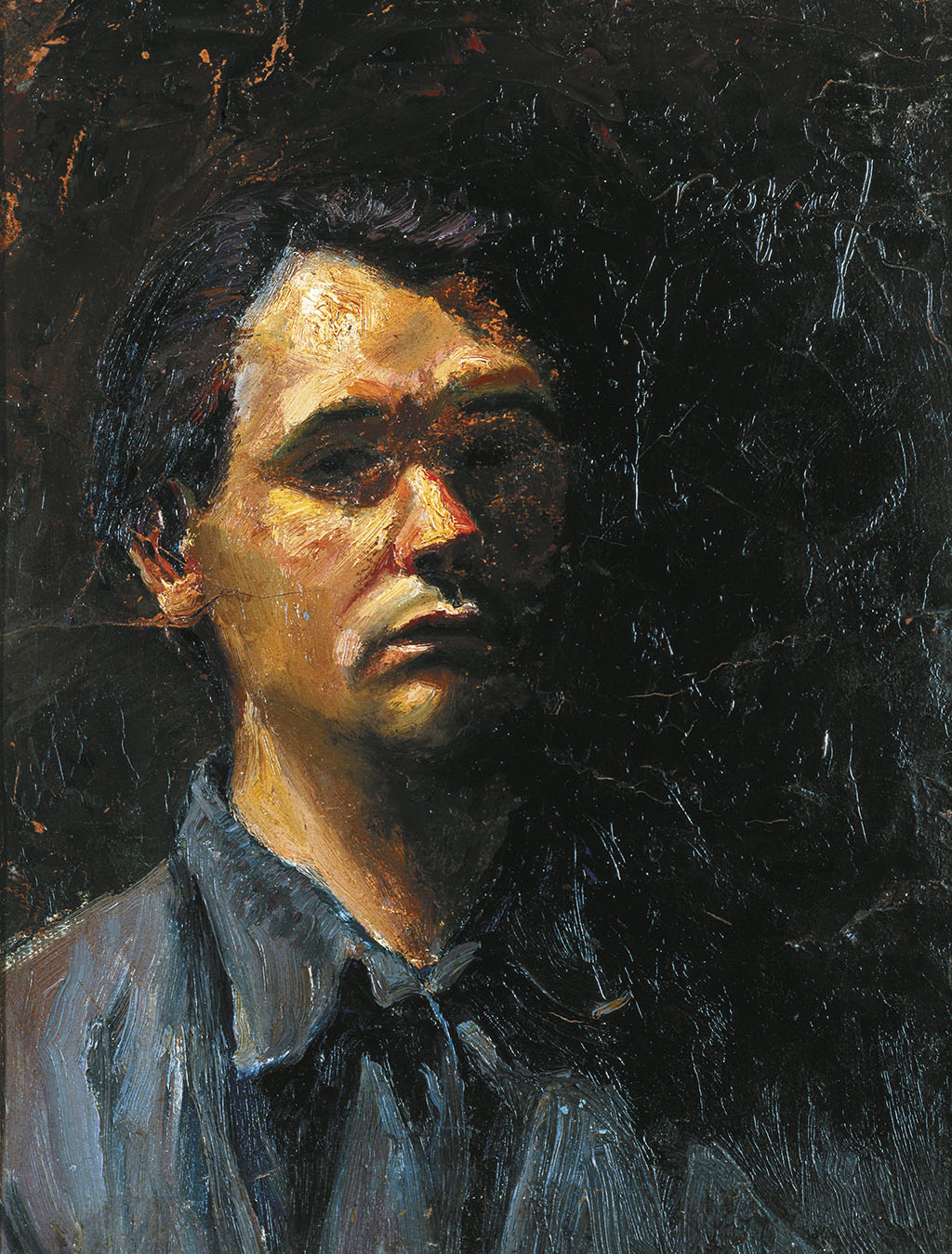
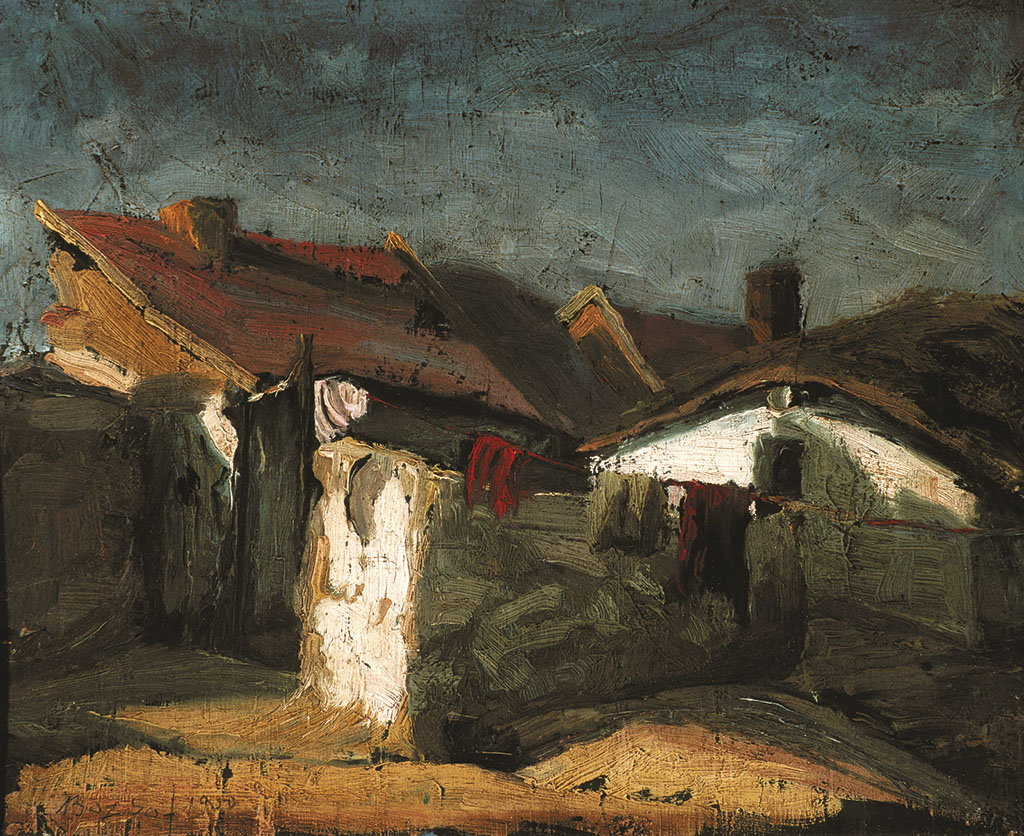
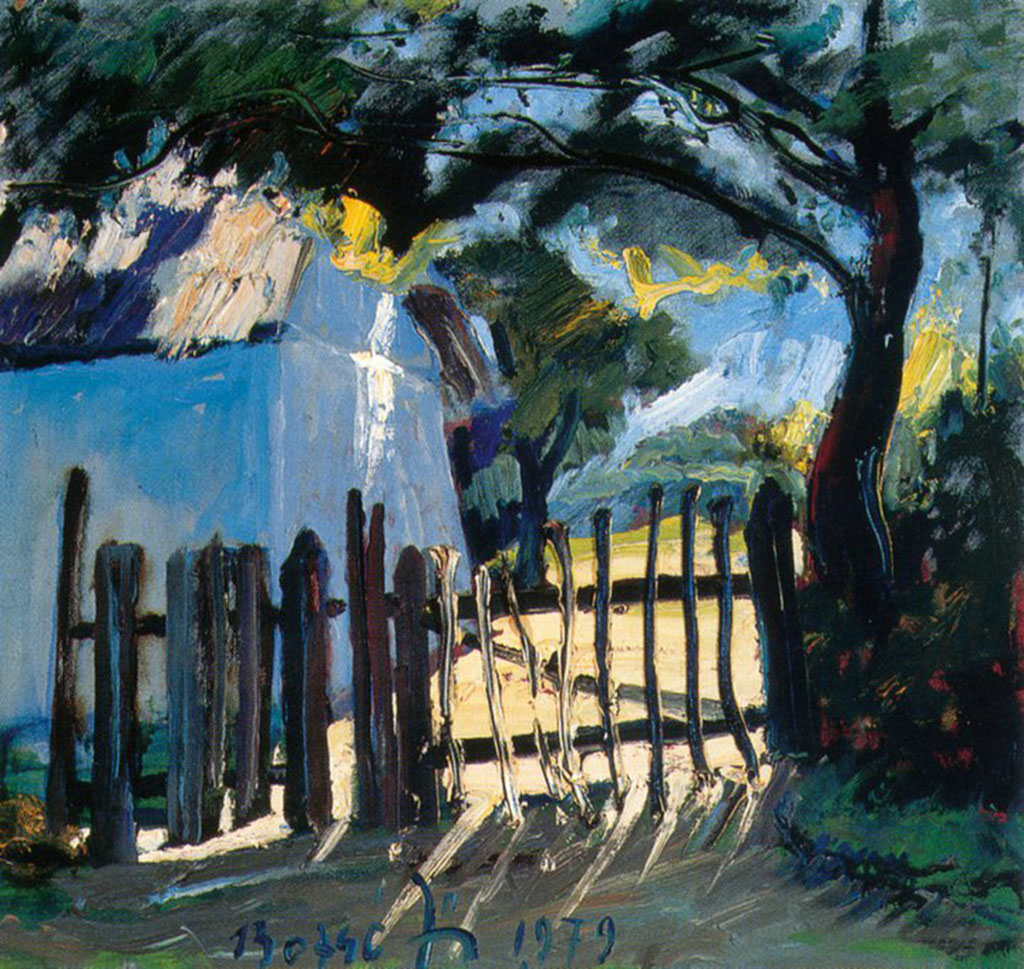
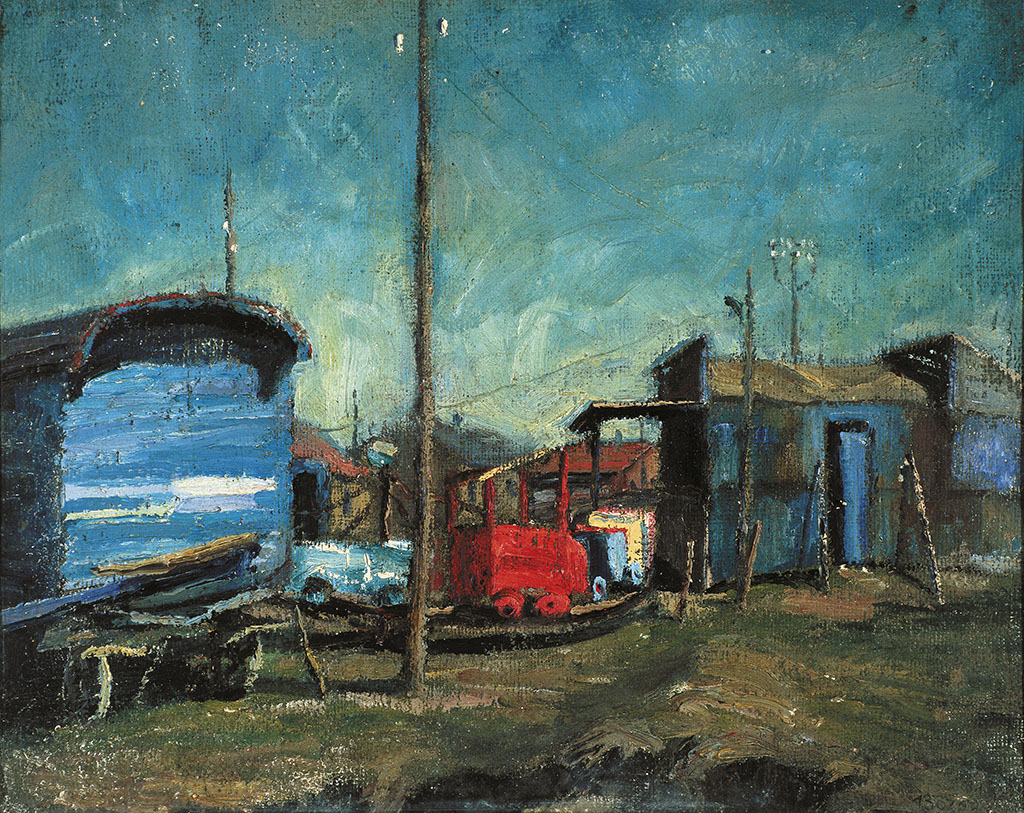
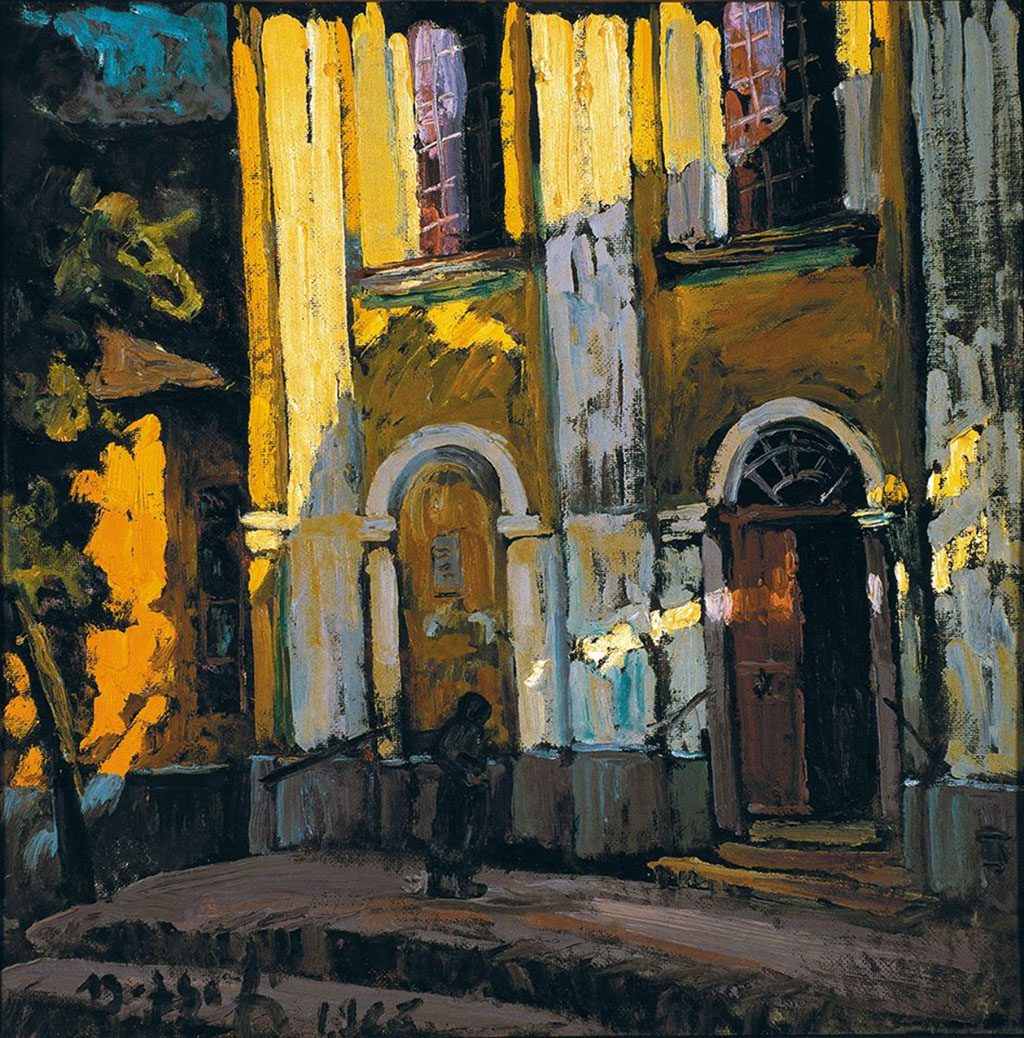
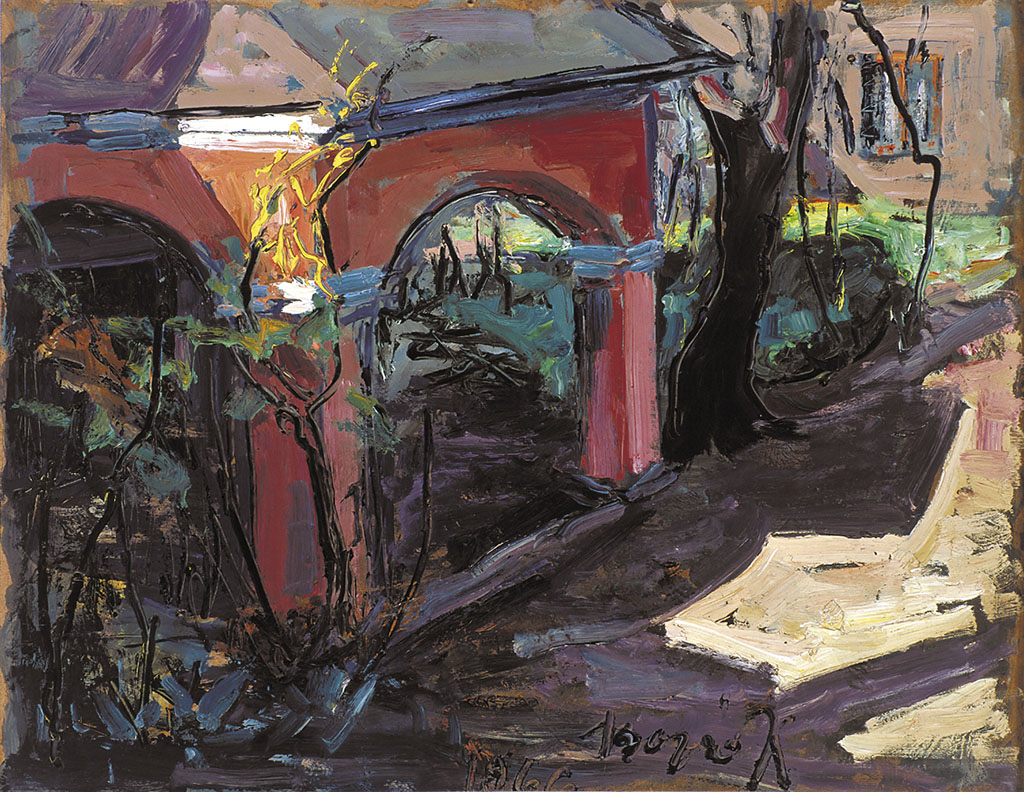
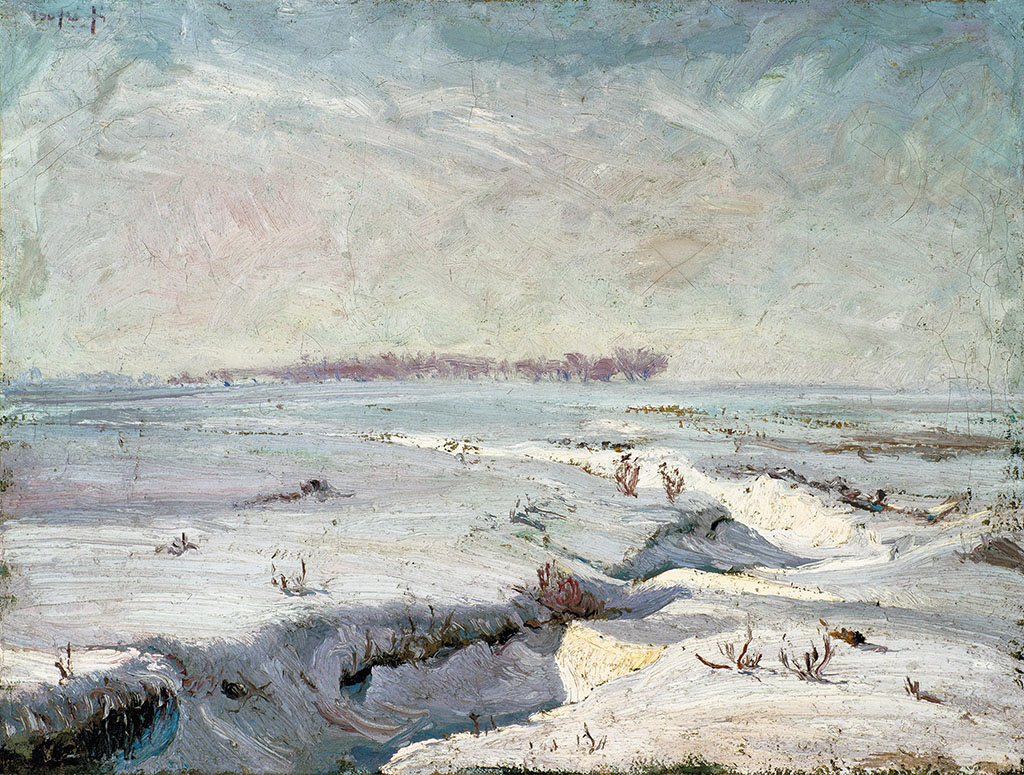
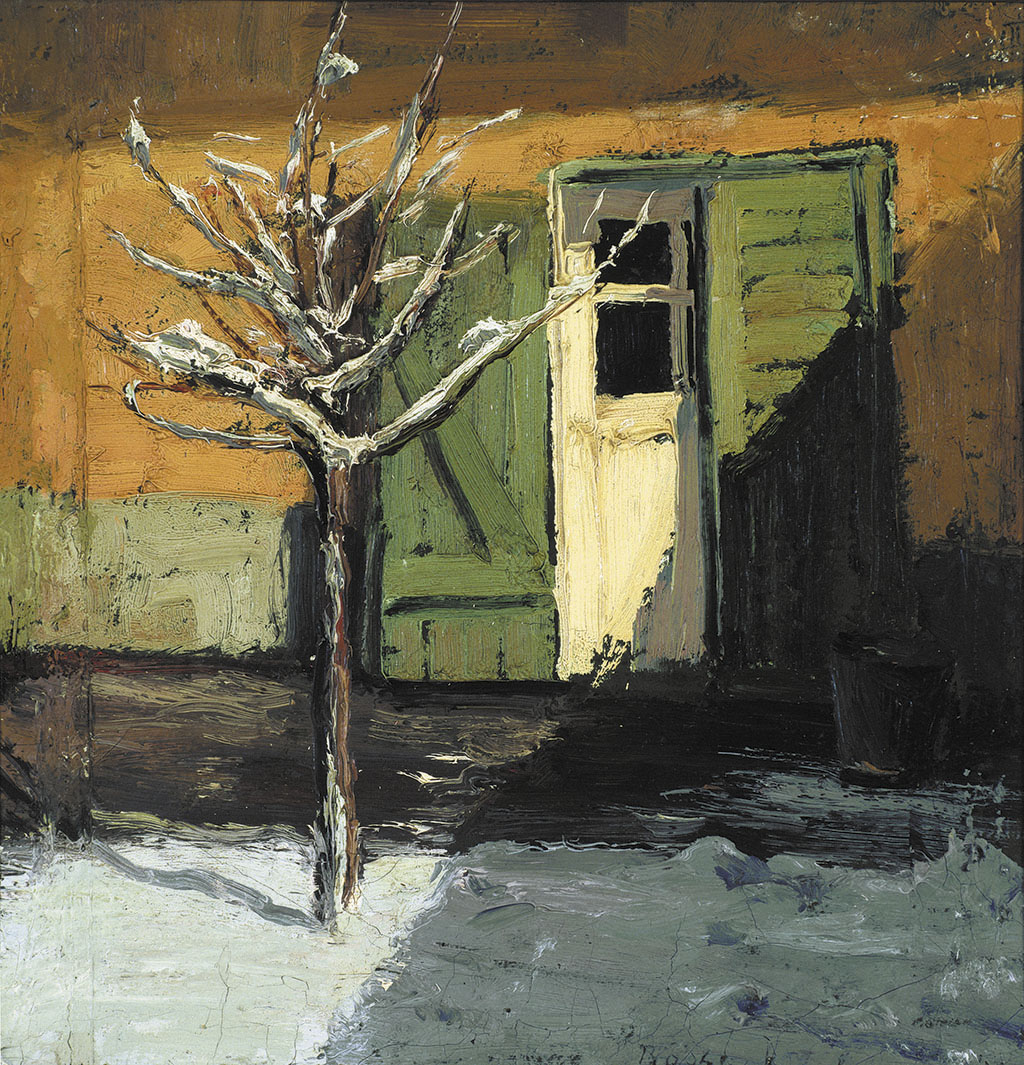
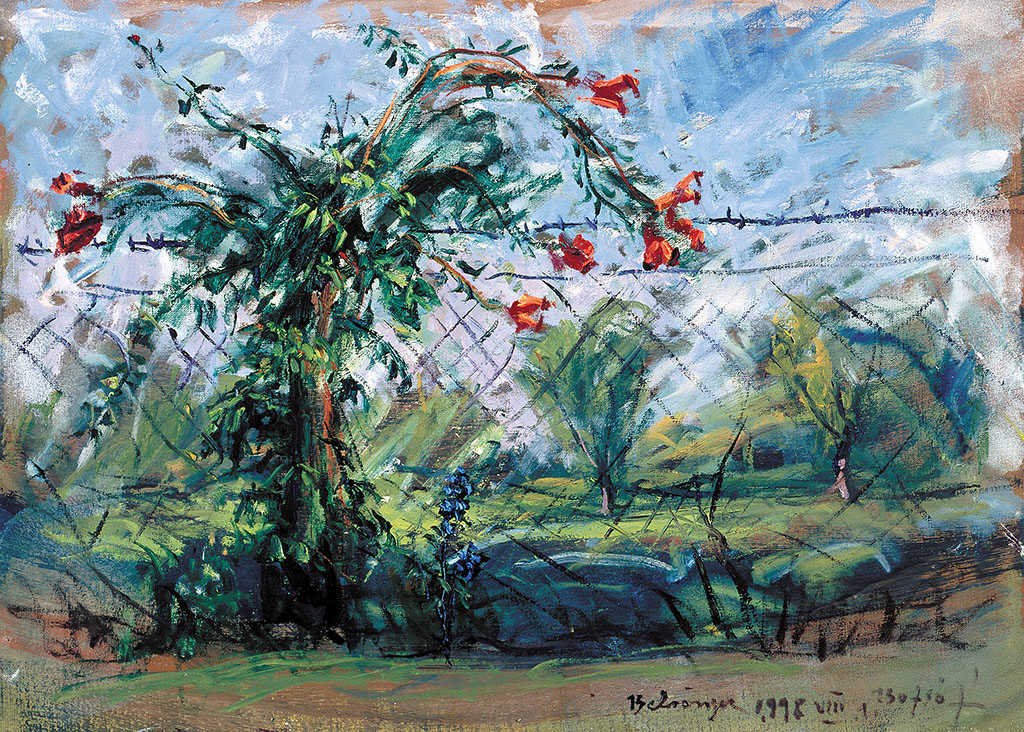
His artistic origins were rooted in the classical landscape painting of Hungary. Though he painted with deep emotion, his work was always grounded in the natural world. During the 1960s, he established a singular style characterized by dynamic strokes, rich coloration, and a stark contrast between light and shade. Renowned as a leading voice in expressive realism, he drew his greatest inspiration from the Great Plain, where he identified human narratives in the flora and sought personal freedom. He took a keen interest in the passing of rural life and the circularity of nature.
SELECTION OF PAINTING REPRODUCTIONS
Every week, János Bozsó frequented the flea market in Kecskemét to hunt for folk objects that reminded him of his childhood for his paintings. As he scouted for themes in the countryside, he was struck by the rise of modern plastics and the decline of traditional customs, leading him to broaden his collection to include not only Hungarian ethnographic relics but also fine examples of European applied art.
Many artworks filled the walls of what was once a studio. Through the years, Kecskemét and the artist collaborated on the honorable project of making the area’s largest private collection available for public viewing, intending for it to become a shared treasure.
The artist finalized a legacy pact with his birthplace in 1976, and by 1979, the debut permanent gallery was established. This singular vision was achieved during an era strictly governed by state-centered ideologies. Furthermore, the 18th-century building that served as his studio was repeatedly enlarged with additional sections.